IMEX GROUPE
Ecoplaq® reusable polymer formwork panel
Reusable polymer formwork panel
Sizes and applications
Reusable polymer panel
Ecoplaq®
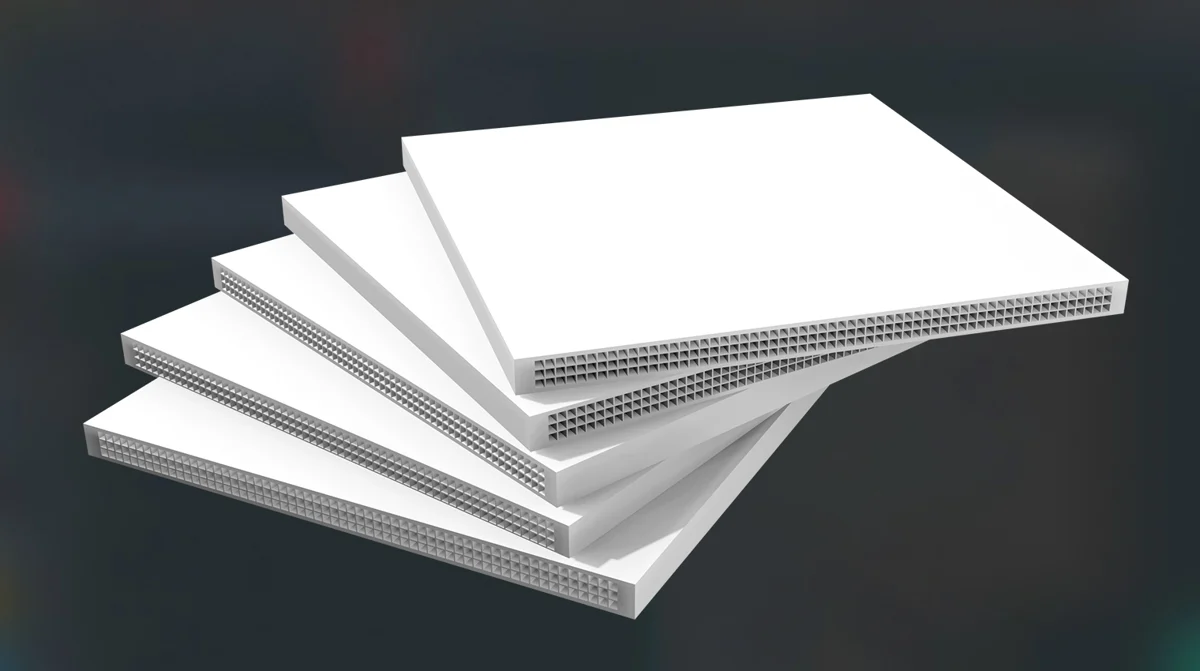
Hollow-core polypropylene panel for concrete formwork. Nail it to its support and cut it with a circular saw using standard site tools. The panel can be bent for curved formwork. Choose the thickness to suit the required radius. It is water-resistant and can be used without release oil. Its surface makes stripping easier and helps achieve a smooth concrete finish. At end of life it can be sent to a suitable recycling facility.
Up to 50 reuses depending on use, handling and maintenance.
- Standard size
- 1,250 × 2,500 mm
- Catalogue thicknesses
- 9, 10, 12, 15, 18 and 21 mm
- Custom sizes
- Up to 13.50 m depending on the configuration
Replacing formwork facing
Ecoplaq® can be considered as a replacement facing for an existing hand-set panel. To assess compatibility, provide the frame reference, dimensions, original facing thickness and fixing method.
What is a polymer formwork panel used for?
The formwork facing is the surface in contact with fresh concrete. Used with a suitable frame and shoring, it shapes a slab, wall or column until stripping. The facing affects both the concrete finish and how the panels can be reused on site.
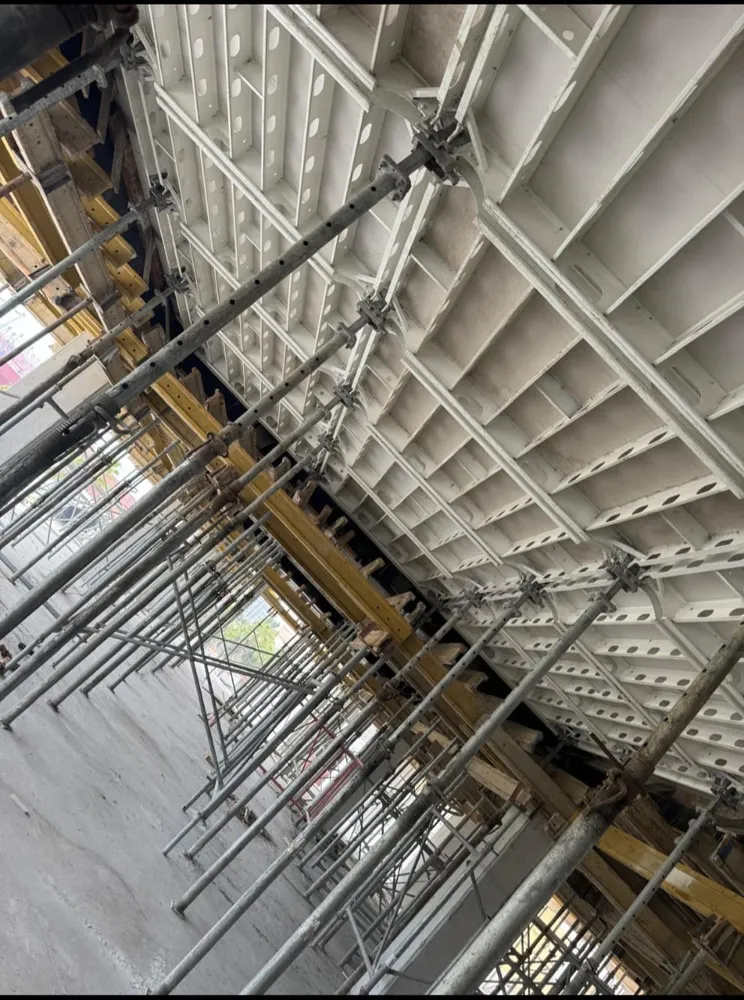
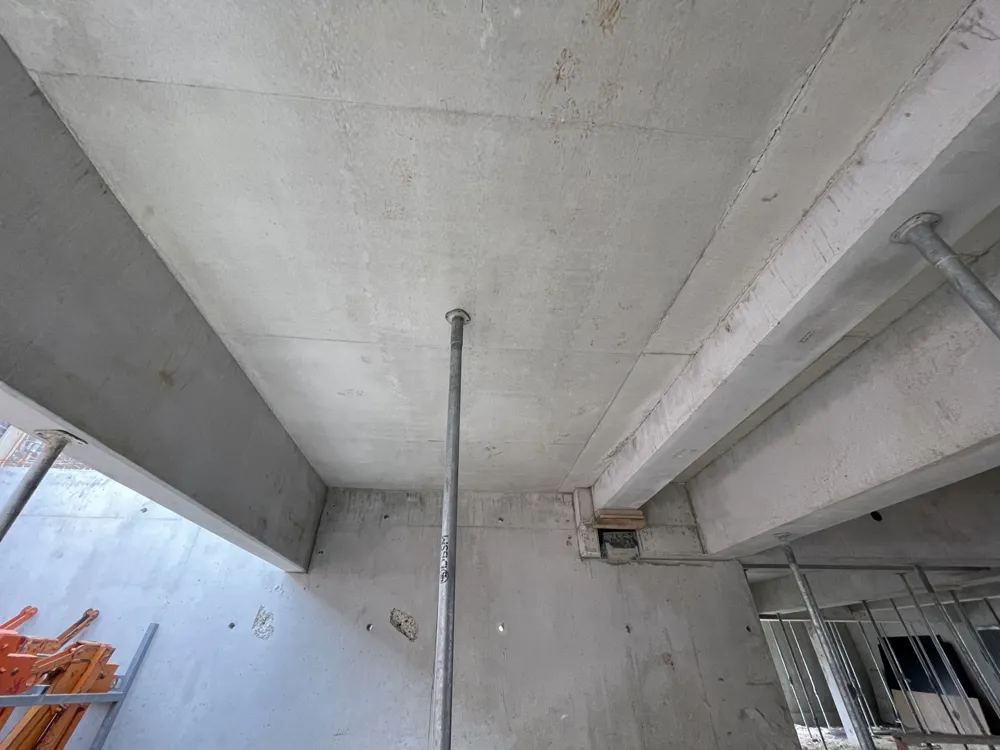
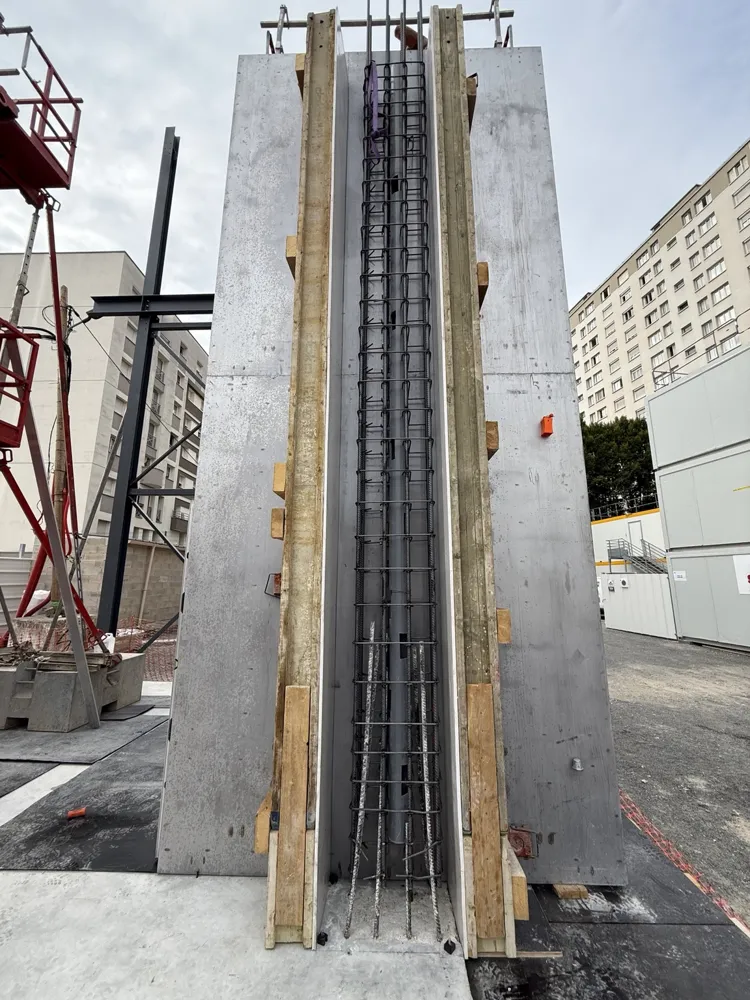
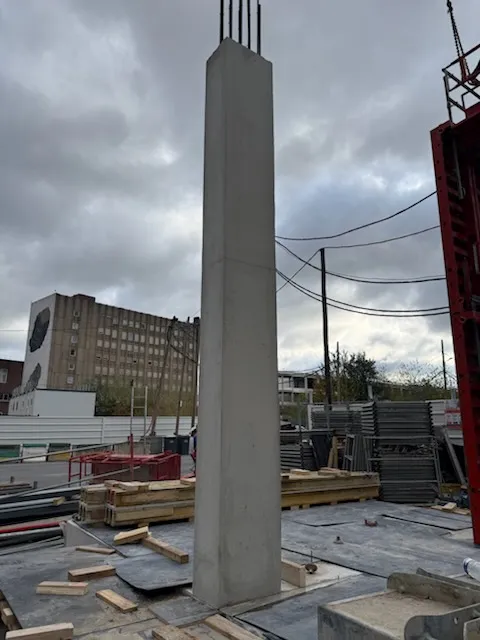
Ecoplaq® is a hollow-core polypropylene panel offered as an alternative to film-faced plywood and timber formwork panels. It is designed for contractors looking for a reusable, water-resistant formwork facing that can be used without release oil. The photos and videos show cutting, fixing and site trials.
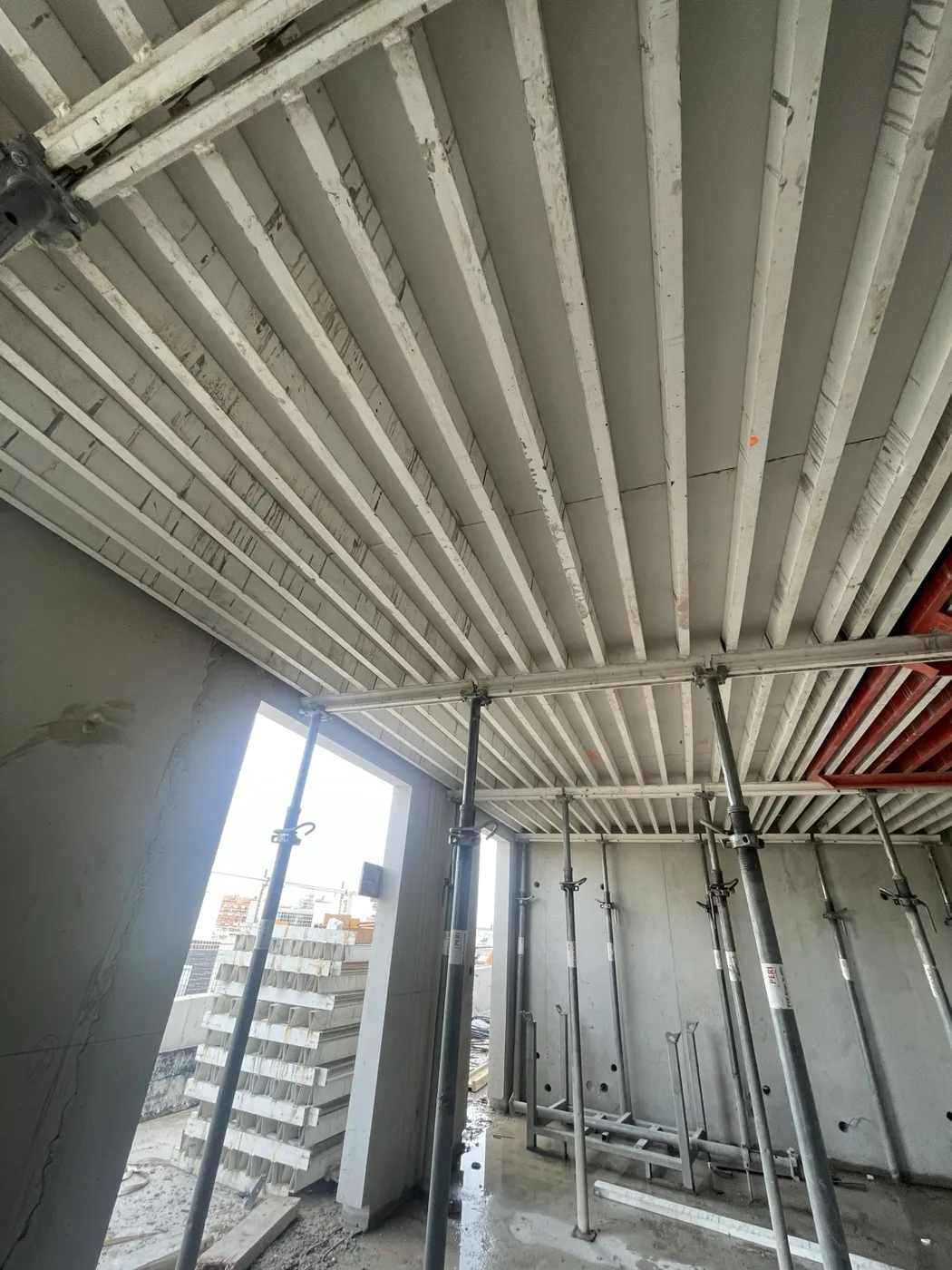
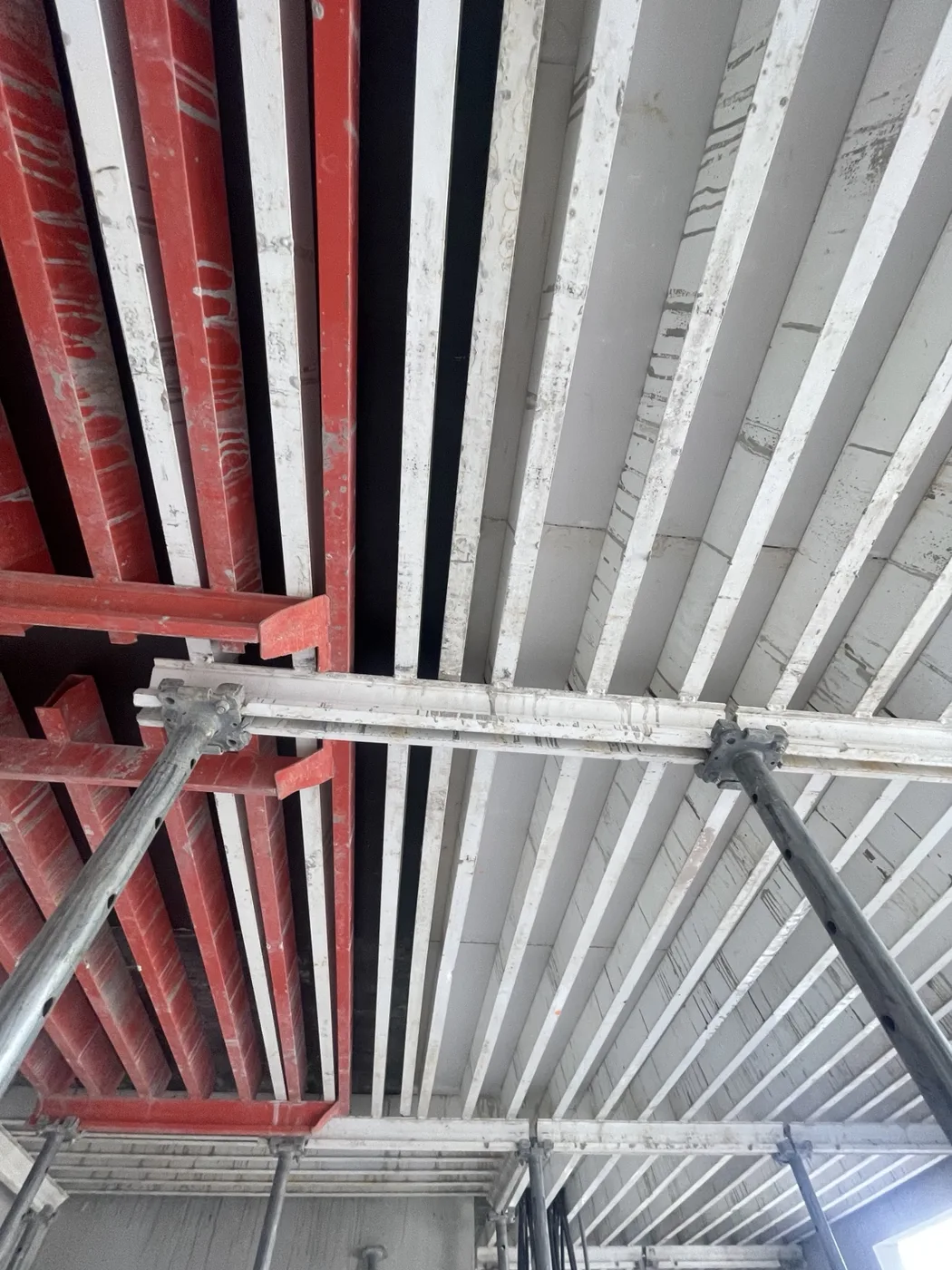
For conventional slab formwork, the panel can be used with H20 timber beams and shoring designed for the project. Before replacing the facing of a hand-set wall formwork panel, check that the frame and fixings are compatible.
What can replace film-faced formwork plywood?
A polymer panel such as Ecoplaq® can be an alternative to film-faced plywood for concrete formwork. The choice depends on the structure, required finish, planned reuses and support system. Compare bending data, supports and fixings before selecting a solution.
Which formwork alternative should you choose?
- Ecoplaq® polymer formwork panel: an option for contractors who need a reusable, water-resistant facing that can be used without release oil in the intended applications.
- Three-ply timber panel: another option for conventional formwork. Its construction, thicknesses and properties differ from those of film-faced plywood. Check installation against the technical data sheet.
- Steel-faced formwork: a system to consider for walls and geometries covered by the selected range. Assess the full formwork system, including accessories and handling requirements.
See also our K1 three-ply timber formwork panels, our H20 timber beams and our steel-faced formwork systems.
Can an 18 mm polymer panel replace 18 mm film-faced plywood?
Matching thickness does not guarantee the same strength or stiffness. To assess a replacement, establish slab thickness or concrete pressure, support spacing, spans, fixings and the selected panel properties. Material test data and span tables must apply to the project configuration.
How do you compare the cost of a plywood alternative?
Compare cost per square metre and per actual use. Include purchase price, cutting waste, consumables, maintenance, actual reuses and end-of-life handling. Purchase price alone does not determine the total formwork cost.
Can an alternative to timber formwork support sustainability goals?
Consider recycled content, recorded reuses on site and the availability of an end-of-life route. Find out more about Ecoplaq® and its 55% recycled raw material content in the sustainability and recycling section.
If you are comparing film-faced plywood, timber panels and reusable formwork, look at materials, stripping conditions and cost per actual use. Thickness alone cannot establish whether one panel can replace another.
| Criterion | Film-faced plywood | Ecoplaq® |
|---|---|---|
| Composition | Wood veneers with a surface film. | Hollow-core polypropylene panel. |
| Water exposure | Check panel grade and how edges and cuts are protected. | Water-resistant material. |
| Stripping | Use release agent and carry out maintenance in line with the manufacturer’s instructions. | Used without release oil. |
| Reuse | Depends on the product, required finish and maintenance. | Up to 50 reuses depending on use, handling and maintenance. |
| Technical selection | Check thickness, spans and loads for the assembly. | Select thickness and support spacing using the technical data applicable to the project. |
To compare costs, provide the area to be formed, planned reuses, structure type and required finish. IMEX GROUPE can supply available sizes and technical information for your assessment.
Discuss replacing your formwork plywoodFormwork, sustainability and the circular economy
When assessing formwork as part of a corporate sustainability policy, look across several projects. Recycled content, actual reuses, maintenance and end-of-life handling offer measurable indicators for responsible procurement and construction waste management.
55% recycled raw materials
The manufacturer’s declaration dated 28 January 2024 states that recycled raw materials make up 55% of the finished panel’s mass. IMEX GROUPE markets the panel under the Ecoplaq® brand. The figure refers to recycled content incorporated during manufacture.
Recyclability and end of life
The manufacturer states that the panel is designed to be 100% recyclable if appropriate polymer collection, sorting and recycling processes are available. Arrange recycling with the selected facility, taking account of panel condition and cleanliness.
Managing reuse on site
Ecoplaq panels are rated for up to 50 reuses depending on use, handling and maintenance. Tracking reuses, keeping usable offcuts and organising storage help document how the equipment is used. Release oil is unnecessary in the intended applications.
69% lower carbon emissions, as reported by IMEX GROUPE
IMEX GROUPE reports 69% lower carbon emissions for Ecoplaq® compared with formwork plywood in its product environmental presentation. Independent certification of this figure has not been verified.
Assessing formwork carbon emissions
A life cycle assessment comparing polymer formwork panels with film-faced plywood or timber panels should cover manufacture, transport, maintenance, reuses and end of life. Compare equivalent service, such as the same formed area over a defined number of uses and with equivalent finish requirements.
For a site carbon assessment, record formed area, quantities purchased, panel mass, transport distances, actual reuses and end-of-life treatment. Your environmental team can use these inputs to assess greenhouse gas emissions within the agreed scope. ADEME describes life cycle assessment as an approach that accounts for multiple stages and impact categories.
Read ADEME’s overview of life cycle assessment
How do carbon allowances and carbon pricing relate to formwork selection?
Emissions allowances and carbon pricing rules apply to specified activities and products. For purchasing, the EU Carbon Border Adjustment Mechanism (CBAM) depends in part on the imported goods and their customs classification. Base the formwork choice on environmental data and the duties that apply to your company and purchases.
Carbon pricing overview from the French ministry
Official information on the scope of CBAM
For your sustainability records or site environmental submission, request the manufacturer’s declaration and Ecoplaq technical documentation.
Formwork panel FAQs
Can Ecoplaq replace a timber formwork panel?
Assess the replacement for the system in use. Provide the dimensions and thickness of the existing film-faced plywood or timber panel, support spacing, expected loads and frame reference for a hand-set panel. This information helps select the right polymer panel and fixings.
Which thickness should I choose for slab formwork?
The choice depends on concrete pressure or loads, the span between supports and the required finish. Ecoplaq is available in several thicknesses. Review the assembly’s technical data before selecting a panel, especially for a thick slab.
How do I cut and fix an Ecoplaq panel?
Cut the panel with a circular saw and suitable equipment. Nail or screw it to its support as appropriate for the assembly. The nailing, screwing and cutting demonstrations show these steps before installation.
Can the panel be used as a wall formwork facing?
Use as a facing for an existing frame can be assessed. Check dimensions, concrete placing pressure, original facing thickness and the fixing method. The formwork facing replacement video shows an application on a hand-set panel.
How do I get a price for a polymer formwork panel?
For an Ecoplaq quote, provide dimensions, thickness, quantity, delivery location and required date. Describe your existing setup and say whether you currently use film-faced plywood, three-ply panels or another timber formwork product.
Where can I find Ecoplaq documentation?
The Ecoplaq PDF catalogue covers the product range. Other formwork and shoring documents are available in the IMEX GROUPE documentation. Test results are available on request.
Working with Ecoplaq®
Nailing
Nail the panel to its support using fixings appropriate for the formwork assembly.
Cutting
Use a circular saw to cut the panel to the formwork dimensions.
Bending
For curved formwork, the achievable radius depends on the panel thickness and the formwork configuration.
Replacing the facing of a hand-set panel
The video shows an Ecoplaq® facing being fixed to an existing frame. Select size, thickness and fixings to suit the frame.
Material testing
The technical documentation covers tensile, bending and impact tests. Contact our team for results and test conditions.
Request test resultsSite applications
Site trials
The photos show formwork installation and the concrete finish after stripping on a slab and a column.